VoiceMed

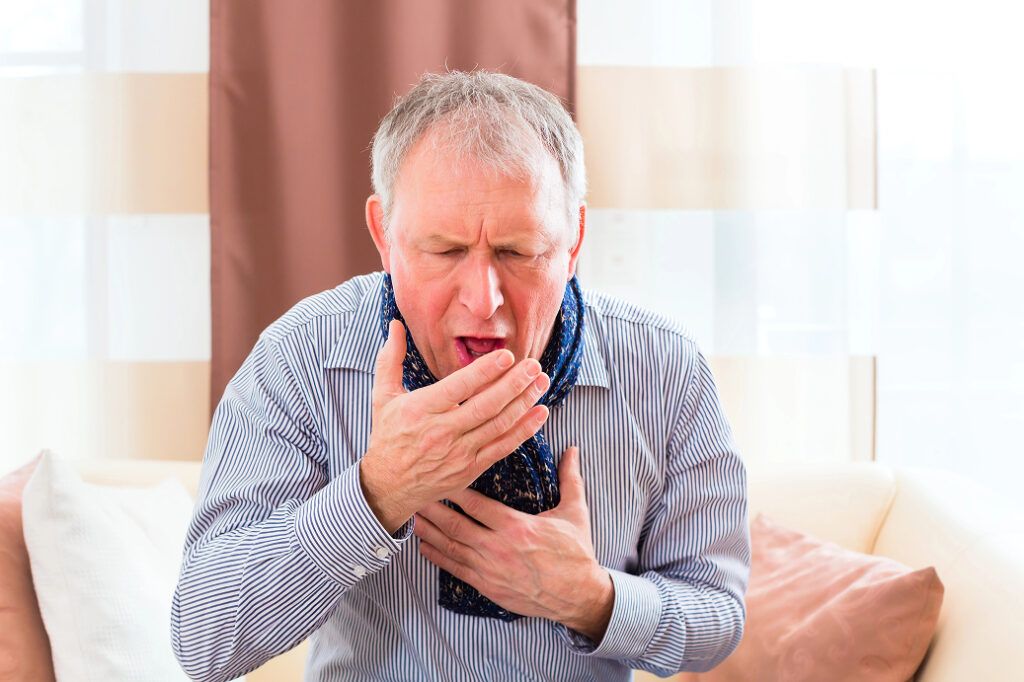
COPD often goes unnoticed. Until it’s too late.

A chronic disease affecting millions, often diagnosed only when it has already progressed.
  • No clear early symptoms
  • Often mistaken for normal aging
  • Frequently detected too late

What COPD actually is

Chronic Obstructive Pulmonary Disease (COPD) is a group of progressive lung conditions that make it harder to breathe over time. It develops gradually, often over years, making it difficult to recognize in its early stages.

Shortness of breath

Excess mucus production

Persistent cough

Frequent chest infections

Who is at risk

COPD is strongly associated with:

  • Smokers and ex-smokers
  • Individuals exposed to air pollution
  • Workers exposed to dust or chemicals
  • People exposed to biomass fuels
  • People over 40

In smokers above 40 years old, for example, the prevalence is around 20%.

~80%

are smokers or ex-smokers

~25%

are caused by environmental factors (air pollution, industrial dust, chemical fumes...)

40+

years old have an increased risk of COPD

The real issue: COPD is massively underdiagnosed

COPD is one of the most underdiagnosed chronic diseases worldwide.

  • 50–90% of cases remain undiagnosed
  • More than half of diagnoses happen at stage 2, when the disease is already advanced

This means millions of people live with COPD without knowing it.

480M

People living with COPD worldwide

50-90%

Undiagnosed cases​

52.2%

Diagnosed already at moderate stage

21.9%

ED visits for exacerbation are from undiagnosed patients

>50%

Diagnosed after disease progression​

70–85%

Exacerbations managed too late

What happens when COPD is diagnosed late

Late diagnosis has a direct impact on patients and healthcare systems.

  • Frequent visits to Emergency Departments (ED)
  • Faster disease progression
  • Increased risk of exacerbations
  • Delayed treatment initiation
  • Reduced quality of life

Why COPD is often missed

Underdiagnosis is not just about awareness. It is also a structural problem. Even when COPD is suspected, confirmation through spirometry and specialist visits is often delayed.
Several factors contribute to missed or delayed diagnosis:

Symptoms are normalized by patients

Spirometry is not widely used in primary care​

GP consultations are often too short

Access to specialists can take months

What diagnosis looks like in reality

Different healthcare systems face different challenges. The result is always the same: COPD is diagnosed too late.

CountryMain barrierWhat happens in practice
NetherlandsPatient “Normalisation” & Stigma. A strong cultural tendency to normalise shortness of breath as a sign of ageing. Smokers often feel “shame,” delaying visits to the doctor to avoid judgment.Respiratory symptoms are often considered low priority, especially in patients with multiple conditions, delaying further investigation.
FranceA critical shortage of pulmonologists in rural “medical deserts” forces patients to travel long distances for spirometry, while symptoms in women are frequently misattributed to anxiety.Over 70% of cases remain undiagnosed in the community. In rural regions, patients often live with chronic “bronchitis” for years, only receiving a COPD diagnosis when they are hospitalised for an acute respiratory emergency.
SpainPrimary care physicians face massive patient volumes, leaving little time for spirometry.In practice, the underdiagnosis rate reached 90%. Short consultations leave little time to explore respiratory symptoms or organise diagnostic tests.
UKMassive delays in NHS primary care spirometry, combined with significant regional differences in GP training and the availability of maintained diagnostic equipment.About 30,000 people die annually in UK hospitals following an exacerbation. For many, this hospital admission is the first time they are officially diagnosed with COPD.
USAHigh costs of specialist referrals and a primary care model where 15-minute visits prioritise acute symptoms over comprehensive, long-term respiratory function screening.Physicians often practice “empirical prescribing,” giving inhalers based on symptoms alone without a confirmatory test. This leads to massive underdiagnosis in rural areas and frequent misdiagnosis in women.
BrazilLimited access to spirometry in public health clinics (SUS) and a lack of recognition of COPD caused by indoor wood-burning stoves in rural communities.In practice, up to 80% of patients do not receive a diagnosis until their disease is advanced. Many rural cases are mismanaged as chronic bronchitis because objective diagnostic tools are unavailable.

The opportunity: detecting COPD earlier, at scale

Instead of treating patients empirically or waiting months for a specialist’s visit, there are now innovative ways to gain immediate insights into chronic respiratory health, specifically for COPD. These new tools do not replace spirometry or clinical consultation; rather, they accelerate the path to care. They prioritise high-risk patients and provide a clear clinical rationale for further testing.
You can help your patients now. In less than a minute and in a highly cost-effective way, you can evaluate the need for intervention. Don’t wait until it’s too late.

82.9%

Sensitivity

59.3%

Specificity​

55.6%

Positive Predictive Value